Choosing the right roofing contractor represents one of the most important decisions homeowners make, as your roof protects your entire home from weather damage and significantly affects property value and energy efficiency. The roofing industry includes both highly qualified professionals delivering excellent work and questionable operators whose low prices mask poor workmanship, inferior materials, or outright scams that leave customers with defective roofs and no recourse. Many homeowners select contractors based primarily on price without adequately evaluating credentials, experience, reputation, or what quoted prices actually include beyond basic labor and materials. Understanding how to evaluate contractors specializing in roof repair and replacements helps you identify qualified professionals who will complete your project properly, rather than creating problems that cost far more to correct than you saved through cheap initial pricing. The difference between roofs that protect your home for decades and those requiring premature replacement often comes down to contractor selection and whether you invested time verifying qualifications before hiring someone to work on your most critical building system.
Verifying Proper Licensing and Insurance Coverage
According to Architectural Digest, the average lifespan of a roof is approximately 30 years, though it varies based on the roofing material. Before hiring any contractor for a roof repair or replacement, verify they hold required state and local licenses, maintain adequate liability insurance, and carry workers' compensation coverage protecting you from financial responsibility if accidents occur. Licensed contractors have demonstrated minimum competency and submitted to regulatory oversight that unlicensed operators avoid by working outside legal requirements. Insurance coverage protects your property if contractors damage it during work and shields you from liability if workers are injured on your property during roofing projects. Legitimate contractors readily provide proof of licensing and insurance upon request, while questionable operators make excuses or become evasive when asked to document their credentials and coverage that legitimate businesses maintain as standard operating requirements.
Request references from recent projects similar to yours in scope and complexity, then actually contact these references to ask about their experiences with quality, communication, and problem resolution. Online reviews from previous customers provide additional insights into whether companies consistently deliver promised service or create problems through poor workmanship, missed deadlines, or inadequate communication. Look for patterns in feedback regarding cleanup, accuracy of estimates, how companies handle unexpected issues, and whether final costs match original quotes without surprise additions. Established companies specializing in roof repair and replacements with years of satisfied customers and mostly positive reviews offer far better value than operators with no track record, numerous complaints, or reputations for disappearing after collecting deposits without completing work properly or at all.
Understanding What Estimates Actually Include
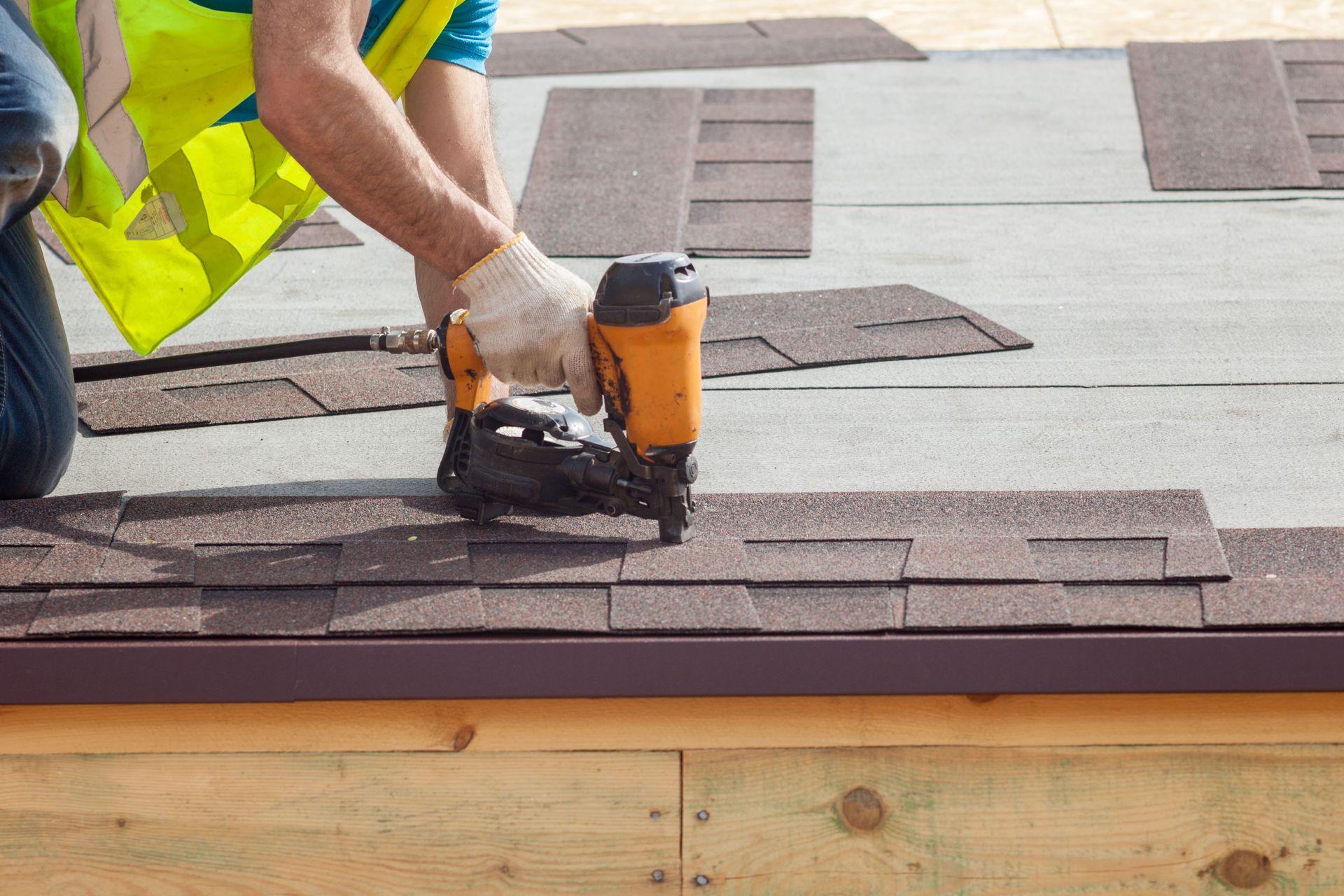
Detailed written estimates should specify all work included, materials brands and grades, disposal costs, permits, timeline, payment schedule, and warranty coverage rather than vague quotes that leave critical details unspecified. Low estimates often exclude items like tear-off and disposal, underlayment, flashing replacement, or other necessary work that complete roof repair and replacements require for proper installation and long-term performance. Compare estimates line-by-line rather than just looking at bottom-line totals, as the lowest quotes frequently omit work or materials that higher estimates appropriately include. Ask specific questions about any unclear items and get clarification in writing before signing contracts, preventing disputes about what work was actually included when bills arrive, or projects reveal scope differences between what you expected and what contractors claim they agreed to provide.
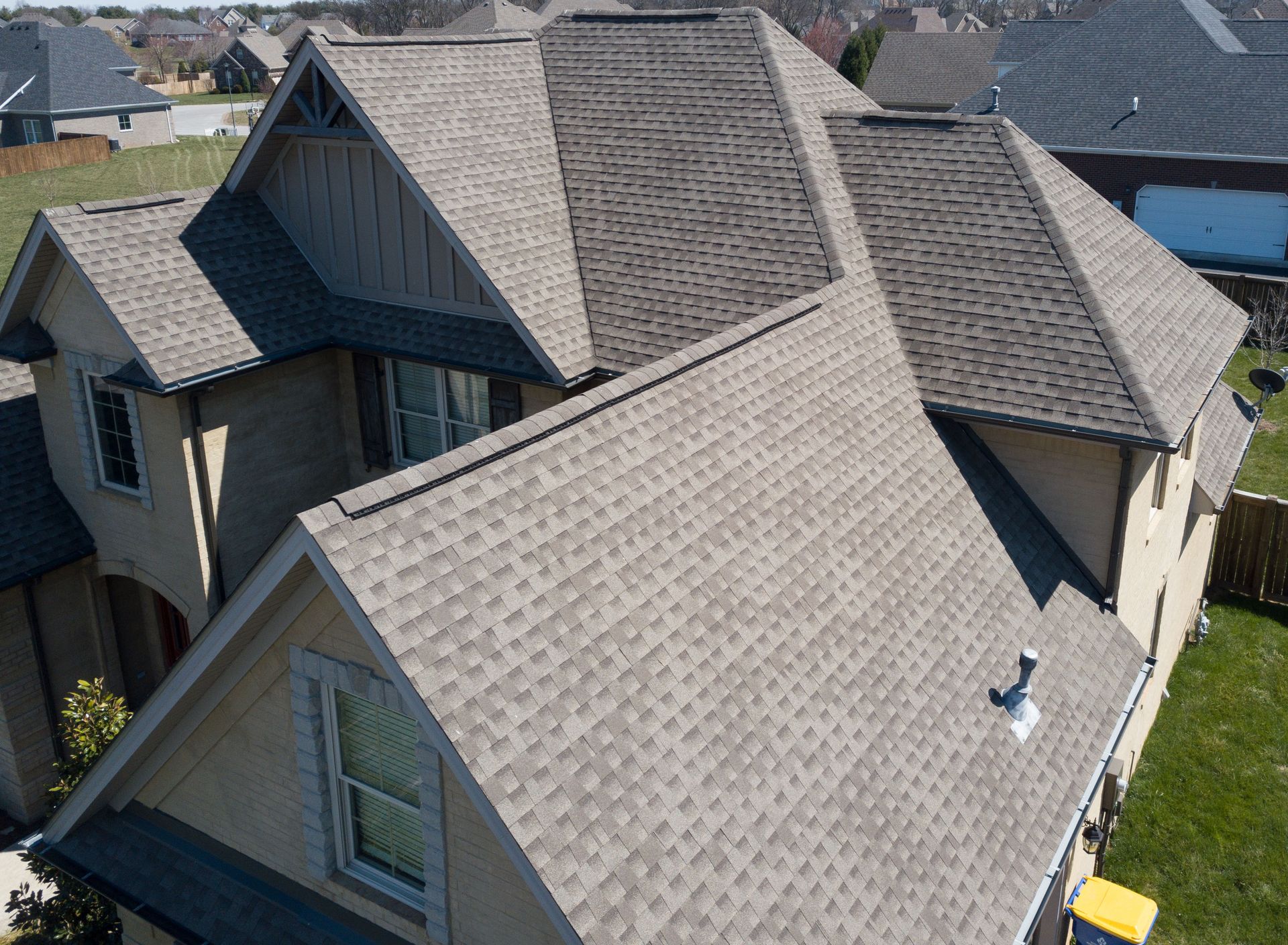
Roofing contractors often specialize in particular materials or building types, and choosing providers experienced with your specific roof style ensures they understand installation requirements and common challenges. Companies excelling at asphalt shingles may lack expertise with tile, metal, or flat roofing systems, requiring different skills and techniques for proper installation. Ask about experience with your roof type and request examples of similar completed projects demonstrating they've successfully handled comparable work. Contractors familiar with your roof style and experienced in roof repair and replacements complete work more efficiently, avoid common mistakes that inexperienced installers make, and understand manufacturer requirements that must be followed for warranty coverage to remain valid throughout the rated material lifespans.
Assessing Communication and Professionalism
How contractors communicate during initial inquiries reveals much about the overall experience you can expect if you hire them for actual projects. Professional communication, prompt responses to questions, and willingness to explain details thoroughly indicate companies that value customers and operate with integrity. Companies that are difficult to reach, provide vague answers, pressure you to commit immediately, or dismiss legitimate questions often deliver disappointing service reflecting the same poor practices evident before you've even hired them. Trust your instincts about professionalism during initial interactions, as contractors demonstrating disorganization or questionable ethics before receiving deposits rarely improve once they have your business and advance payment.
Quality roofing involves two separate warranties, including manufacturer materials coverage and contractor workmanship guarantees, each with different terms, durations, and exclusions affecting your protection. Material warranties vary dramatically by product grade, with premium shingles often carrying lifetime coverage while economy options may include only 20 or 30-year limited warranties. Workmanship warranties from contractors covering roof repair and replacements cover installation defects and typically range from one year to lifetime, depending on company policies and confidence in their work quality. Understand exactly what each warranty covers, how long protection lasts, what actions void coverage, and whether warranties are transferable to future owners if you sell your home before coverage expires, ensuring you receive the protection you're paying for through premium materials and professional installation.
Comparing Material Options and Quality Levels
Roofing materials span a wide quality and price range, and understanding differences helps you make informed decisions, balancing initial costs against longevity and performance throughout roof lifespans. Economy shingles cost less initially but may require replacement sooner than premium products, potentially costing more over time through shortened service life. Contractors experienced with roof repair and replacements can explain performance differences between material grades and help you understand whether premium options justify their higher costs for your specific situation. Be cautious of contractors who only offer single material options without discussing alternatives, as this may indicate they're pushing specific products for their benefit rather than recommending what truly suits your needs and budget best.
Legitimate roofing contractors require deposits to order materials and schedule crews, but never demand full payment before work begins or significant progress has been made. Typical payment schedules involve deposits of 10 to 30 percent, progress payments as work advances, and final payments after completion and your inspection confirms satisfaction. Be extremely cautious of contractors demanding large upfront payments, cash-only transactions, or full payment before starting work, as these demands suggest financial instability or outright scams. Payment methods for roof repair and replacements should include standard options like checks or credit cards, rather than cash-only requirements that leave no documentation and suggest operations avoiding proper business practices and tax obligations that legitimate companies fulfill.
Selecting qualified contractors for roof repair requires thorough evaluation of credentials, experience, reputation, and business practices rather than defaulting to the lowest bids without considering what prices actually include or whether contractors can deliver promised quality. The investment in proper contractor selection prevents the disasters that occur when homeowners hire based primarily on price and discover too late that cheap quotes masked inferior work, inadequate materials, or outright fraud. Taking time to verify qualifications, check references, understand estimates, and evaluate professionalism protects you from the expensive mistakes that result from hasty hiring decisions made without adequate research. Whether you need residential roofing, commercial roofing, roof installation, roofing contractors, roofing services, roof repairs, storm damage services, siding, gutters, dumpster rentals, or skylights, Gibbs Roofing and Remodeling was founded in 1950, offers emergency services, and employs factory-trained and certified professionals. For more information, contact us today!
Share On: